Dry eye is one of the most underutilized growth opportunities for eye care clinics, particularly in Canada’s private-pay healthcare environment, where long-term care programs play a critical role in sustainable clinic growth. While clinics continue investing in advanced diagnostic tools and treatment technologies, many still struggle to consistently convert patient interest into long-term dry eye program enrollment. Successful dry eye marketing isn’t about promoting a device or running generic awareness campaigns. It’s about guiding patients through a clear, trust-based journey, from symptoms, to diagnosis, to treatment, to ongoing care.
The issue isn’t clinical effectiveness.
It’s marketing strategy.
At MINA Medical Marketing, we’ve seen many eye clinics struggling with dry eye program adoption, and we’ve learned over the years how to effectively and profitably grow these programs. Below are dry eye marketing strategies that actually convert patients, especially in private-pay eye care settings.

Why Most Dry Eye Marketing Fails (Even With Great Technology)
Many clinics assume that simply offering advanced dry eye treatments will naturally attract patients. In reality, most dry eye marketing fails because:
- Messaging leads with technology instead of patient problems
- Patients don’t understand whether they’re candidates
- There’s no structured journey from symptom awareness to treatment
- Marketing stops at “education” and never reaches conversion
Patients don’t wake up searching for treatment names. They search for relief, and clinics that fail to meet patients at that level lose them early in the process.
Dry Eye Marketing Is Program Marketing, Not One-Off Promotion
High-performing clinics don’t market dry eye as a single appointment or device. They position it as a care program.
Dry eye program marketing focuses on:
- Diagnosis and long-term management
- Personalized treatment plans
- Follow-up and outcome optimization
- Ongoing patient relationships
This program-based positioning increases acceptance, improves outcomes, and supports recurring revenue, while still remaining patient-first.
Dry Eye Marketing Strategy #1: Start With Symptoms, Not Treatments
Most dry eye patients don’t search for treatment names or technologies. They search for how their eyes feel and how those symptoms are affecting their day-to-day life. This is one of the most common disconnects in dry eye marketing. Clinics lead with solutions, while patients are still trying to understand the problem.
Effective dry eye marketing starts earlier in the decision-making process by meeting patients at the symptom level, before they’ve formed assumptions about treatment options or ruled themselves out as candidates.
Common symptom-based entry points include:
- Burning or gritty eyes
- Blurry or fluctuating vision
- Screen-related eye strain or fatigue
- Contact lens discomfort or intolerance
- Redness, irritation, or watering

By anchoring content and messaging around symptoms, clinics capture attention before patients have committed to a specific solution. This approach builds trust earlier, increases engagement, and significantly improves patient acquisition by positioning the clinic as a guide, not a salesperson.
Strategy #2: Build an Education-First Patient Journey
Dry eye patients often hesitate to move forward because they don’t understand what’s actually happening with their eyes or what treatment involves. Without clear education, uncertainty turns into inaction.
Many patients are left asking:
- Why do my symptoms keep coming back?
- What does a dry eye diagnosis actually involve?
- Is treatment a one-time fix or an ongoing process?
- How long does it take to see improvement?
Education-first marketing removes this friction by clearly explaining the full patient journey in a simple, structured way.
High-performing dry eye marketing focuses on:
- How dry eye is properly diagnosed
- Why treatment is often multi-step and personalized
- What realistic outcomes patients can expect
- Why ongoing care and follow-up matter
When patients understand the process before they book a consultation, they arrive more confident, better prepared, and far more likely to proceed with treatment recommendations.
Strategy #3: Position Dry Eye as a Quality-of-Life Solution
Dry eye is not just a clinical diagnosis, it’s a condition that affects daily comfort, productivity, and overall quality of life. Marketing that focuses purely on medical terminology often fails to connect emotionally with patients.
High-converting dry eye marketing reframes treatment around real-world impact, such as:
- Improved comfort during long workdays
- Better tolerance for screens and digital devices
- Safer, more comfortable driving
- Reduced eye fatigue and irritation
- Greater comfort with contact lens wear
By positioning dry eye care as an investment in daily comfort and long-term eye health, clinics attract patients who are more motivated and more likely to commit to comprehensive care, rather than looking for temporary fixes.
Strategy #4: Use Proof and Trust Signals Early
Dry eye patients are often skeptical, and understandably so. Many have already tried artificial tears or short-term solutions without lasting relief. By the time they consider advanced care, trust becomes a major factor in their decision.
This means credibility must be established before the first visit.
Effective trust signals in dry eye marketing include:
- Clear, easy-to-understand diagnostic explanations
- Patient education visuals that explain the condition
- Reviews that reference symptom improvement or comfort
- Transparent discussions around expectations and timelines
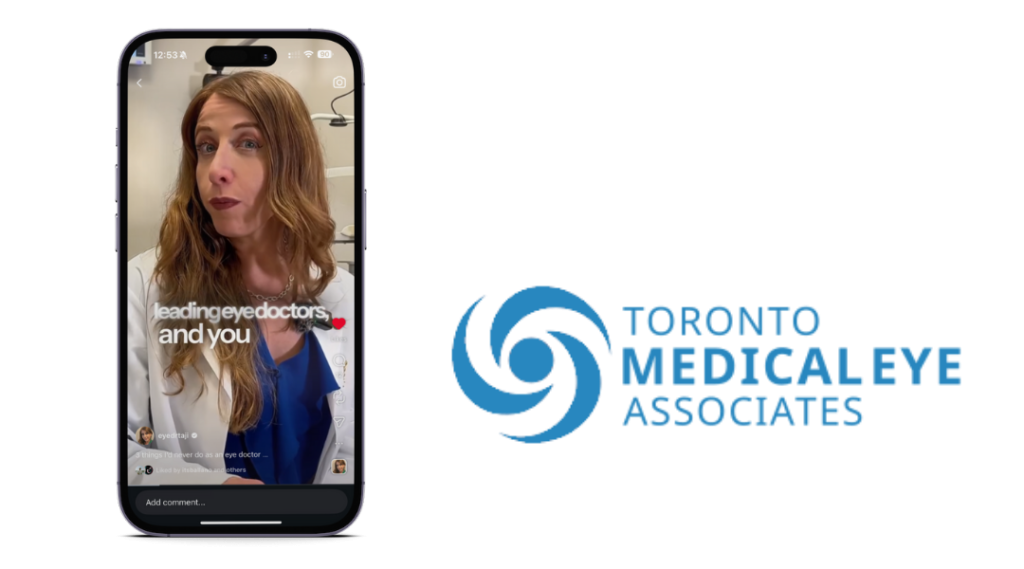
Marketing that builds confidence early reduces hesitation, lowers perceived risk, and helps patients feel comfortable taking the next step.
Strategy #5: Segment Dry Eye Patients by Motivation
Not all dry eye patients have the same concerns, priorities, or motivations. Treating them as one audience often leads to generic messaging that resonates with no one.
Common dry eye patient market segments include:
- Screen-heavy professionals dealing with digital eye strain
- Contact lens wearers experiencing discomfort or intolerance
- Post-refractive surgery patients with persistent symptoms
- Aging patients managing chronic dryness or irritation
Segment-aware marketing allows clinics to tailor messaging around the patient’s lifestyle and concerns without complicating the experience. When patients feel “seen,” engagement and conversion naturally improve.
Strategy #6: Support Conversion With Follow-Up and Nurture
Many dry eye patients don’t convert on the first visit. This is not because they aren’t interested, but because they need reassurance, clarity, and time to process information.
Clinics that implement structured follow-up tend to see higher treatment acceptance and better program adherence. This includes:
- Educational follow-ups that reinforce key concepts
- Reminder sequences that reduce missed appointments
- Content that answers common post-assessment questions
Dry eye marketing doesn’t stop at awareness or even diagnosis. Conversion often happens after the initial interaction, when patients feel supported and informed throughout the decision-making process.
Strategy #7: Measure What Actually Matters
Vanity metrics don’t grow dry eye programs. Traffic and impressions may indicate visibility, but they don’t reflect whether marketing is actually working.

Meaningful dry eye marketing focuses on outcomes such as:
- Number of booked assessments
- Treatment acceptance rates
- Program enrollment and retention
- Long-term patient value
Tracking these metrics allows clinics to refine messaging, improve education, and continuously increase conversion efficiency over time
How These Strategies Fit Into a Broader Ophthalmology Marketing Approach
Dry eye marketing works best when it’s integrated into a comprehensive ophthalmology and eye surgery marketing & growth strategy, one that aligns education, trust, and patient experience across all services.
When dry eye programs are positioned correctly within a broader ophthalmology marketing framework, clinics benefit from stronger patient relationships, higher acceptance rates, and sustainable growth.
This is especially relevant for post-refractive surgery patients, where dry eye symptoms may appear or persist after procedures like LASIK, making aligned LASIK marketing strategies and patient education across services essential.
Frequently Asked Questions About Dry Eye Marketing
What is dry eye program marketing?
Dry eye program marketing focuses on promoting comprehensive, long-term dry eye care rather than individual treatments or devices.
How long does it take to see results from dry eye marketing campaigns?
Results vary, but clinics often see improved patient engagement and treatment acceptance within weeks when education-first strategies are implemented.
Which clinics benefit most from marketing their dry eye programs?
Private-pay clinics, specialty eye care practices, and ophthalmology centers offering advanced dry eye management typically benefit the most.
How do clinics market advanced dry eye treatments like LipiFlow or IPL?
Advanced dry eye treatments such as LipiFlow or IPL are most effective to market when they are positioned as part of a comprehensive dry eye care program. Clinics typically focus on patient symptoms, diagnostic clarity, and expected outcomes first, then introduce specific treatments as part of a personalized management plan.
Should dry eye marketing focus on specific devices or patient outcomes?
Dry eye marketing generally performs better when it emphasizes patient outcomes rather than specific devices. Patients are more motivated by improvements in comfort, vision stability, and daily quality of life than by the name of a particular treatment system.
Are advanced dry eye treatments easier to market as part of a program?
Yes. Presenting advanced dry eye treatments within a structured care program helps patients understand that dry eye is often a long-term condition that requires ongoing management, not a one-time solution.